

Peptide therapy is often explored by people who feel “stuck” with recovery, body composition, sleep quality, or persistent inflammation patterns that limit training tolerance and daily function. The right approach starts with a clinical intake that clarifies your goals, your symptom timeline, your current medications and supplements, and the safety factors that determine eligibility. From there, the plan is built around measurable checkpoints and follow-up, so you can evaluate whether the intervention is improving outcomes that matter in real life, such as exercise tolerance, energy stability, sleep continuity, and day-to-day comfort. Many patients also coordinate care with a Naturopathic Practitioner in Oro Valley, AZ because they want peptide support integrated with nutrition, movement, and recovery strategy rather than treated as a standalone shortcut.

Peptide therapy in Oro Valley is typically considered when a patient has a defined objective and has already addressed the basics that influence outcomes, such as sleep consistency, protein intake, movement dosing, and stress load. It may be discussed for recovery support, performance tolerance, and broader wellness goals when screening supports safe use. The clinical priority is appropriateness, meaning your plan is selected to match your health history and your target outcome.
Peptides require structure. Without dosing discipline and follow-up, results are difficult to interpret and easy to overpromise. A responsible plan uses conservative starts, clear timeframes, and follow-up checkpoints that reflect your goals. Monitoring includes symptom response, tolerability, and functional change, such as training tolerance, sleep continuity, or reduced flare frequency. The objective is to confirm that the plan is helping and to adjust when the response is unclear, incomplete, or not worth continuing.

Some patients explore peptide therapy because their recovery capacity does not match their activity demands. If soreness lingers, performance drops, or minor issues keep recurring, the plan must address load management first and then consider targeted support. When peptide therapy is used appropriately, it is positioned as a supplement to good training structure rather than a replacement for it.
When discomfort is stopping you from walking, training, or even getting through a normal day without compensating, we focus first on why the area is getting irritated and what is keeping it from settling. Some patients ask about peptides as part of Pain Relief and Pain Management, and we treat that request the same way we treat any clinical decision, which means we confirm fit, set realistic expectations, and build the plan around measurable function. The best results usually come when peptide support is paired with rehabilitation, movement retraining, and recovery habits that reduce flare-ups between visits.

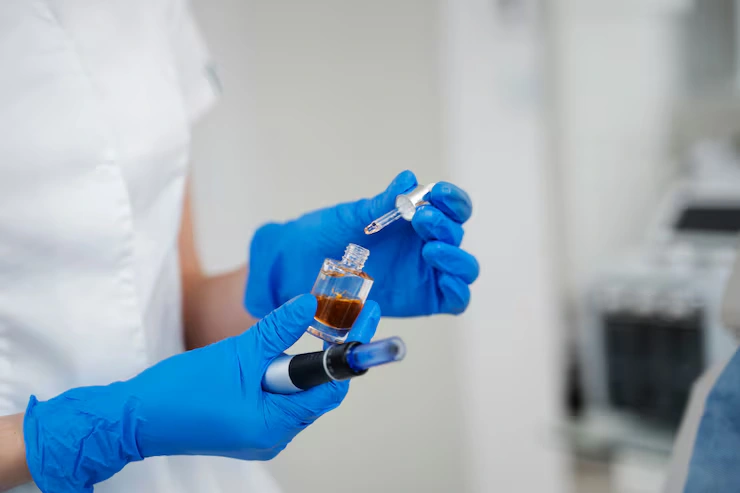
Peptide therapy may be considered within a broader recovery plan when the goal is to improve tissue tolerance, reduce setbacks, and support function over time. In some cases, patients also explore Regenerative Therapy in Oro Valley, AZ as part of an integrated approach to recovery, movement capacity, and resilience. The standard remains the same in every case, which is a defined objective, appropriate screening, and measurable follow-up to confirm that the plan is delivering meaningful change.
If you want a structured approach that prioritizes eligibility, realistic outcomes, and measurable follow-up, start with a clinical intake and a defined first phase. The strongest results come when peptide support is paired with consistent sleep, nutrition structure, and training that matches your recovery capacity, then reviewed on schedule to confirm whether the plan is delivering meaningful change. Wild Wellness provides peptide planning with clear priorities and monitoring designed around function and safety. Contact our team when you are ready to begin.
Timelines vary by goal and baseline. Some people notice changes in recovery, sleep continuity, or training tolerance within weeks, while other goals may take longer and require follow-up adjustments to confirm whether the protocol is appropriate.
Yes. A consultation is important to confirm that peptide therapy is appropriate for your goals and safe for your health profile. Your clinician will review your medical history, current medications and supplements, and any risk factors, then outline a protocol and monitoring plan so treatment is purposeful, supervised, and adjusted based on response.
Yes. Peptides are typically positioned as support, not a replacement for sleep, nutrition, and movement structure. Outcomes are usually better and easier to sustain when the plan is paired with consistent recovery habits.