
When pain keeps returning with the same movements, the issue is often tissue tolerance and mechanics, not a lack of effort. Regenerative Therapy is used for patients who want a structured approach to supporting joint and soft-tissue recovery, especially when symptoms flare with load, limit activity, or persist despite basic conservative care. The process begins with a focused clinical evaluation that clarifies the likely driver, the tissues involved, and the movement patterns that keep the area irritated. From there, treatment is planned in phases with realistic expectations, clear aftercare, and measurable follow-up so progress is tied to function, such as walking tolerance, lifting comfort, or return to training without repeated setbacks. Many patients also coordinate care with a Naturopathic Practitioner in Oro Valley, AZ because they want recovery support that fits into a broader plan for inflammation balance, sleep quality, and lifestyle factors that affect healing.

Regenerative Therapy in Oro Valley, AZ supports patients with joint and soft-tissue strain patterns. Candidates usually have a functional limitation they want to improve, such as climbing stairs without pain, returning to exercise, or reducing flare frequency. The goal is better tolerance for load over time, not an overnight fix.
Regenerative Injection Therapy refers to injection-based approaches used to support tissue recovery and function, selected based on your clinical pattern and goals. Treatment is typically delivered as a series with planned spacing and reassessment. Aftercare and rehabilitation guidance matter because tissue response depends on how load is managed and how movement is rebuilt between visits.

Some patients want targeted support in specific areas. The key is choosing the right approach for the right pattern. Bio-puncture is sometimes discussed when symptoms are localized and the goal is focused support in a specific region. The clinical decision depends on the tissue involved, the chronicity of symptoms, and how the area behaves under load. Your clinician should be able to explain why it is being considered, what the expected timeline looks like, and what aftercare will support the outcome.
Trigger point Injections may be considered when muscle knots and tension patterns are driving pain, limiting range of motion, or creating referral discomfort. The goal is to reduce protective tension so movement can be restored and rehabilitation can be performed more effectively. These approaches work best when paired with posture correction, mobility work, and a plan to reduce the triggers that cause the pattern to return.

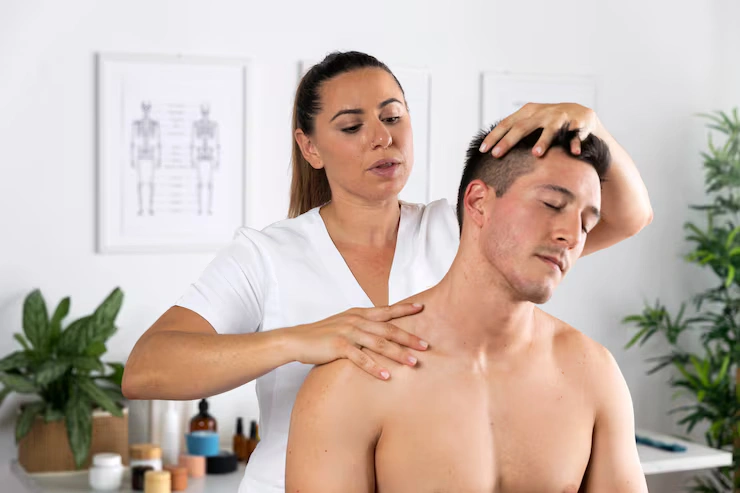
A good plan includes a practical home routine and guidance for pacing activity so the area can adapt without repeated flare-ups. Many patients also combine recovery-focused care with supportive services such as Massage Therapy in Oro Valley, AZ depending on their goals and clinical fit, especially when muscle tension and mobility restrictions are part of the pattern.
Regenerative care works best when it is targeted, measured, and paired with a plan that improves how you move between visits. If you want recovery-focused care that is structured and goal-based, start with an evaluation that clarifies the driver of your symptoms and the movement pattern behind it. The strongest outcomes come from appropriate candidate selection, a clear treatment sequence, and follow-up checkpoints tied to function rather than vague symptom changes. Wild Wellness provides regenerative planning with careful screening, realistic expectations, and practical aftercare guidance that fits real schedules.
The number of sessions depends on the area treated, how long symptoms have been present, and how your body responds. Many plans involve a short series with reassessment, using functional milestones to decide whether to continue or adjust.
Aftercare usually includes short-term activity modification and a guided return to movement. Your clinician may recommend avoiding high-load activity for a brief period, then progressing mobility and strengthening work to rebuild tolerance.
Not always. A focused evaluation is important to identify the true driver of pain, rule out conditions that require different care, and confirm that regenerative approaches match the tissue pattern and goals.