
Muscle tension and pain rarely come from one spot alone. They build from posture, stress load, repetitive movement, training volume, and compensation patterns that keep certain areas overworked and under-recovered. Massage Therapy supports pain relief and functional recovery by reducing soft-tissue restriction, improving circulation, and helping your body reset protective tension so movement feels easier afterward. We start by clarifying what you want to improve, where you feel tightness, what activities trigger symptoms, and what type of pressure your body tolerates well. The goal is not a generic session. The goal is the right technique for your pattern, followed by simple guidance so the benefit lasts beyond the table. Many patients also coordinate care with a Naturopathic Practitioner in Oro Valley, AZ because they want massage to fit into a broader plan for sleep, inflammation balance, and recovery habits that influence pain and muscle tone.
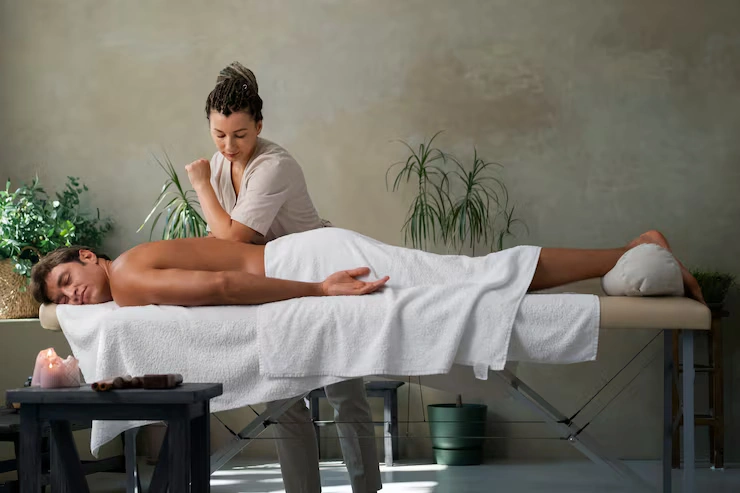
Massage Therapy in Oro Valley, AZ is commonly used for muscle tightness, stress-related tension, limited mobility, post-workout soreness, and discomfort driven by overuse or compensation. Many patients use massage as part of an overall recovery plan when they sit for long hours, train consistently, or carry stress in the neck, shoulders, and back. The clinical aim is improved movement quality and reduced tension so daily activity feels more comfortable.
Pressure is not the point. The right method depends on where tension sits and what your body tolerates.
Swedish Massage for Pain is often chosen when your goal is relaxation, circulation support, and overall muscle downshifting without deep pressure. It can be a strong option for stress-driven tension, general soreness, and patients who feel worse after aggressive work. The intent is to calm the nervous system and reduce muscle guarding so you move more freely.
Deep Tissue Massage for Pain is often considered when tightness is persistent, localized, and limiting movement or performance. The goal is to address deeper restriction patterns in muscles and fascia, while keeping pressure within a tolerable range so the body does not brace. Deep work should feel productive, not overwhelming, and it should be paired with hydration and movement guidance afterward.
Shiatsu Massage for Pain is often chosen by clients who want a structured, pressure-based approach that supports relaxation and muscle balance without long deep strokes. It may be a good fit when tension is tied to stress load, fatigue, and tight muscle chains that respond well to rhythmic pressure and positional work.
Massage can support recovery by improving circulation, reducing muscle guarding, and helping the body shift out of a sustained stress state. People commonly notice they move more easily, feel less stiff the next day, and recover better when massage is paired with sleep consistency, hydration, and appropriate training load. The goal is improved tolerance, not temporary relief followed by the same flare.
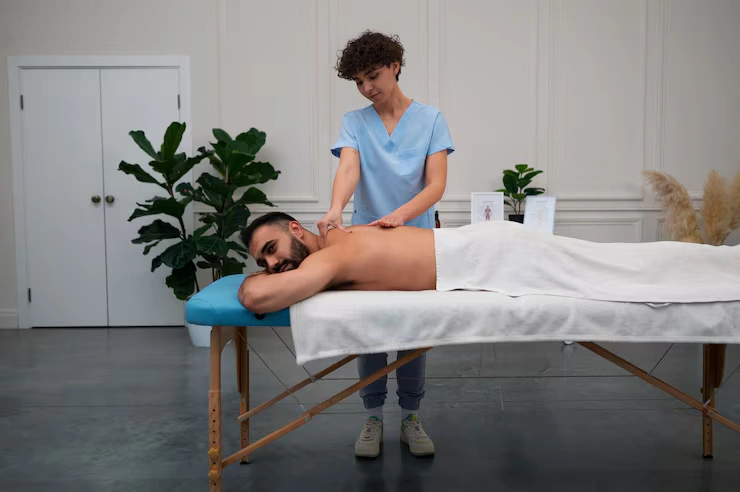
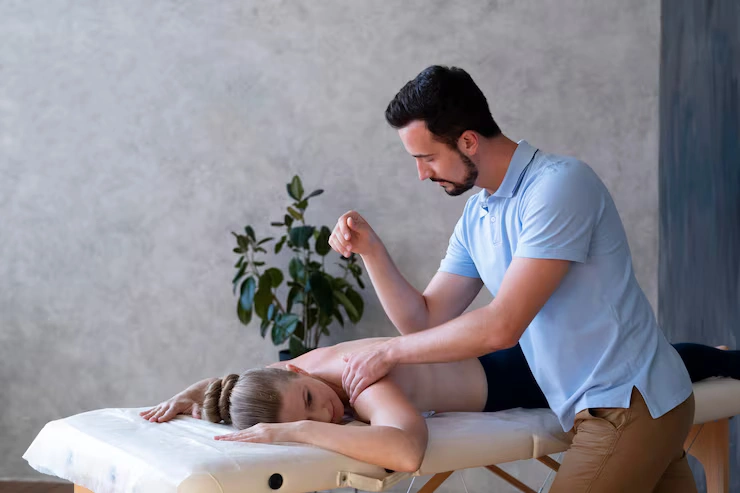
Massage can reduce tightness and make you feel better quickly, but long-term improvement usually depends on addressing why the area keeps tightening again. If discomfort returns soon after a session, the cause is often related to how your body is moving and loading that area, such as posture strain from long sitting, weak support muscles that force compensation, or repetitive movements that keep re-irritating the same tissues. Massage helps by reducing restriction so movement coaching and corrective exercise are easier to do correctly, and the results tend to last longer between visits. Some patients also explore PRP Injection Therapy in Oro Valley, AZ when the goal involves deeper tissue recovery rather than muscle tension alone and a different clinical approach is more appropriate.
The right massage plan improves how you move between sessions, and consistent results come from choosing the right technique and following a simple aftercare routine. If you want massage care that is tailored, goal-based, and designed to support real function, start with a session built around your tension pattern and pressure tolerance. The strongest outcomes come when technique matches the problem and aftercare is straightforward enough to follow during busy weeks. Wild Wellness provides massage therapy with clear goals, targeted methods, and practical guidance to help results last. This is also what most people mean when they search Best Massage Therapist Near Me.
Frequency depends on your tension pattern and what is driving it. Many people start with a short series to reduce baseline tightness, then shift to maintenance sessions based on training volume, work posture, and flare frequency.
Some mild soreness can happen, especially if tissue is very restricted, but it should not feel like an injury flare. Hydration, gentle movement, and spacing sessions appropriately can reduce next-day soreness.
Tension headaches often respond well to work focused on the neck, shoulders, upper back, and jaw muscles, paired with relaxation-focused techniques. Your therapist can recommend the right approach based on where your tension is concentrated and how sensitive your tissue is.