
Recurring pain is usually linked to movement mechanics and load tolerance rather than a single location. Physical Medicine focuses on restoring function by identifying what is driving discomfort, stiffness, or limited mobility, then building a practical plan that improves how you move day to day. We start with a clear evaluation of your symptoms, activity triggers, posture and gait influences, prior injuries, and how the problem behaves under load, so the strategy is targeted rather than generic. Treatment may combine hands-on support, guided exercises, and mobility work with a progression plan that fits your lifestyle and keeps you improving between visits. Many patients also coordinate care with a Naturopathic Practitioner Oro Valley, AZ to support recovery capacity, inflammation balance, and lifestyle factors that influence pain and healing.
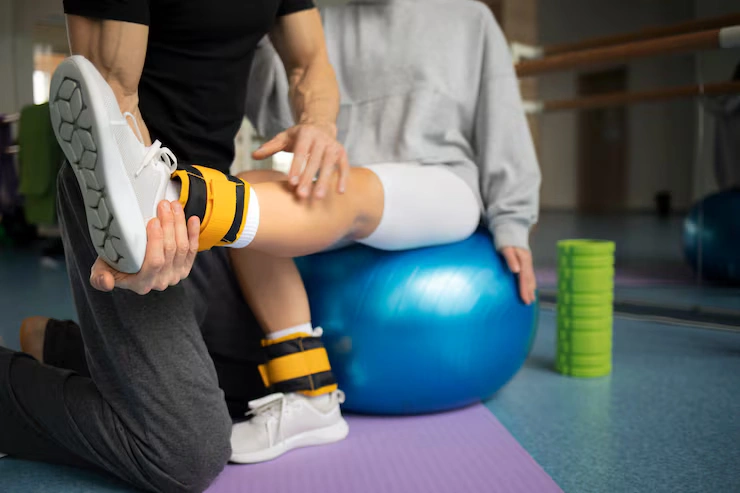
Physical Medicine Oro Valley, AZ is commonly used for musculoskeletal problems that interfere with daily tasks, exercise, or work tolerance. It can be appropriate when symptoms persist after rest, when pain is triggered by certain movements, or when stiffness and compensation patterns keep returning. Physical medicine care improves function through evaluation and progressive rehabilitation.
The best treatment starts with a precise diagnosis of the movement problem. We need to know what is failing under load.
A quality evaluation reviews symptom history, injury timeline, movement triggers, and functional limits. The clinician looks at how you move, where you compensate, and what activities provoke symptoms. This is also where prior imaging, past therapies, and red flags are reviewed so the approach is safe and appropriate. The goal is to confirm the likely driver of symptoms and build a plan that is specific enough to change outcomes.
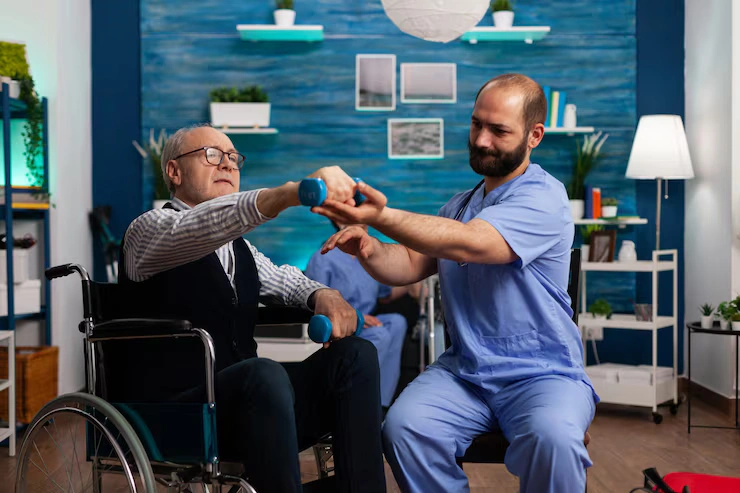
Physical Manipulation may be considered when joint stiffness, muscle guarding, or restricted movement is limiting function. The goal is to reduce restriction and improve motion so rehabilitation and strengthening can be performed with better form and less irritation. Hands-on work is most effective when paired with a clear home plan, because mobility gains must be reinforced by movement and stability work.
Physiotherapy Techniques typically focus on mobility, strength balance, movement retraining, and progressive loading that restores tissue tolerance. The plan is staged, starting with pain-limited range and stability, then progressing into strength, endurance, and return-to-activity work. This approach reduces flare-ups by improving mechanics and controlling load rather than relying on passive care alone.

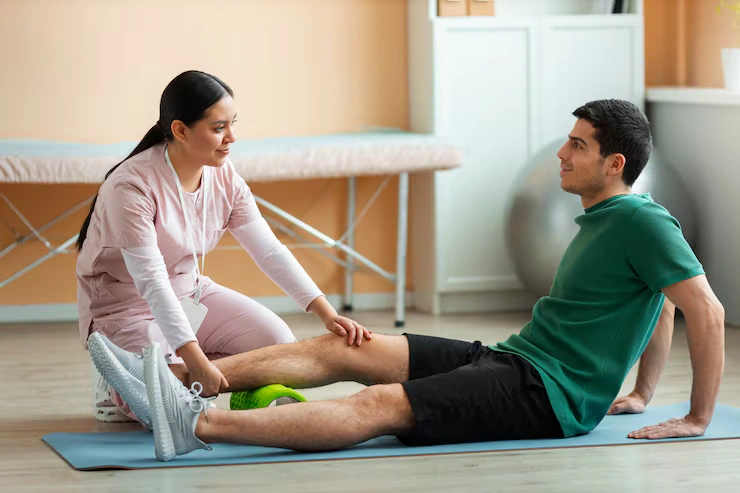
When you meet with our physical medicine team, the goal is to give you clarity and a plan you can actually follow. We explain what is most likely driving your symptoms, what to start with first, and how we will track progress in a way that matters to your daily life. You should leave knowing which movements to modify for now, what to do at home, and when we will reassess based on real functional checkpoints such as walking tolerance, lifting comfort, sleep positioning, and how often flare-ups occur. When care is structured this way, you are not guessing between visits and you understand what each phase is meant to improve.
Some patients also ask about performance and recovery support such as Peptide Therapy in Oro Valley, AZ depending on their goals and clinical fit.
If you want care that is practical, function-focused, and built around measurable improvement, start with an evaluation that clarifies the driver of your pain and the movement pattern behind it. The most reliable outcomes come from pairing targeted hands-on support with rehabilitation that builds stability and tolerance over time. Wild Wellness offers physical medicine care with clear priorities, structured follow-up, and guidance that fits real schedules. Call our team when you are ready to begin with a plan that is designed for lasting improvement.
Many people notice early changes in mobility and pain triggers within a few visits when the home plan is followed consistently. Longer-standing issues often take weeks to months depending on tissue tolerance, conditioning, and how well load is progressed.
Not always. Imaging is useful when it changes clinical decisions or when red flags are present. A focused evaluation can often identify the movement and load drivers first, then decide if imaging is necessary based on symptoms and response.
Follow the home plan, keep activity within the recommended boundaries, and track the specific movements that trigger symptoms. Consistent sleep, hydration, and strength work within your tolerance usually improve recovery and reduce flare-ups.