
Persistent joint or tendon pain often continues when the ligament tissue is repeatedly irritated in day-to-day activity, even after rest, basic therapy, or activity modification. Prolotherapy is used to support areas where ligaments or tendons may not be tolerating strain well, especially when symptoms return with movement or progress has plateaued. The process starts with a focused clinical evaluation to confirm where pain is coming from, what movements trigger it, and whether the primary issue is tissue irritation, reduced stability, or mechanics that keep re-aggravating the area. From there, care is planned in phases with realistic expectations, guided rehabilitation, and follow-up checkpoints so improvement is measured through function and activity tolerance, not guesswork. Many patients also coordinate care with a Naturopathic Practitioner Oro Valley, AZ because they want a broader plan that supports recovery capacity, inflammation balance, and lifestyle contributors alongside joint-focused treatment.
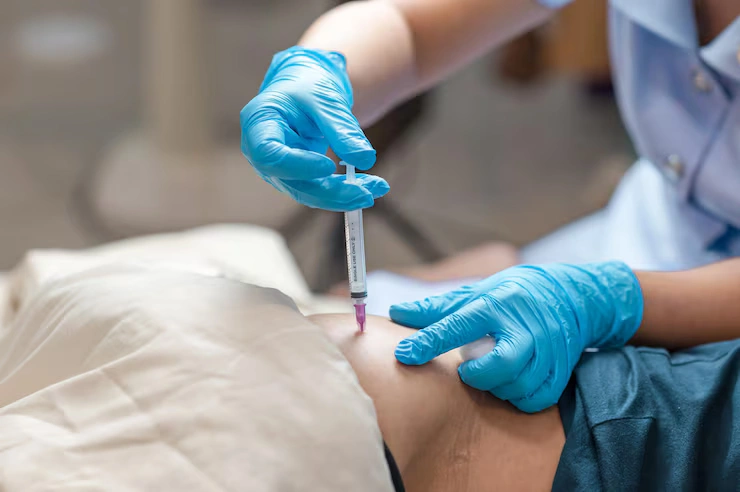
Prolotherapy is often considered when symptoms flare with specific movement or load and the pattern suggests a ligament or tendon strain issue rather than a one-time soreness episode. People commonly pursue it for recurring joint pain, repetitive overuse problems, or instability-like symptoms that interfere with daily tasks and exercise. Prolotherapy in Oro Valley, AZ supports patients with joint and tendon strain patterns. Prolotherapy care improves function through structured follow-up and rehab guidance.
A quality assessment reviews your symptom history, injury timeline, movement triggers, prior imaging or therapies, and how the problem behaves under load. The goal is to confirm whether the pattern fits a ligament or tendon tolerance issue, whether referral or additional workup is needed, and what rehab approach should accompany treatment. This is also where expectations are set for pacing, number of sessions, and what improvement should look like over time.
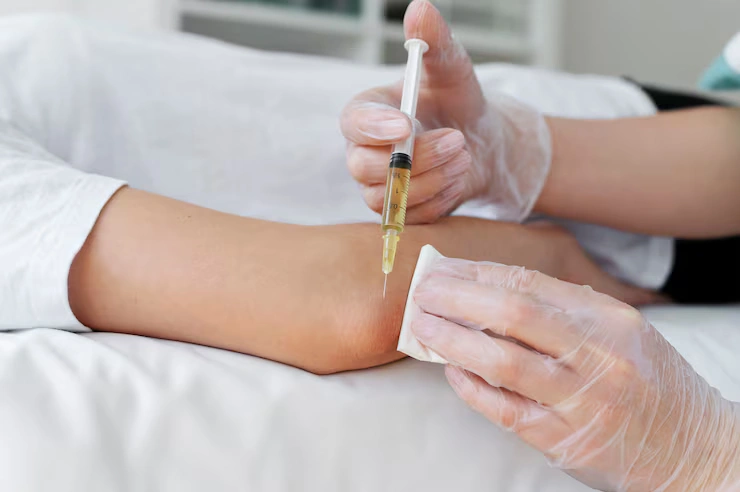
Treatment is usually delivered as a series, with spacing based on your response and the tissue involved. After each session, you receive guidance on activity modification and rehabilitation so the tissue is stressed appropriately without provoking setbacks. Follow-up visits are used to track functional changes, such as improved range of motion, reduced pain during key movements, and better tolerance for daily activity and training.
Some Sports Injuries involve recurrent strain patterns that keep returning with training volume or specific mechanics. Prolotherapy may be considered when an athlete or active patient has persistent soft-tissue pain, especially if the area feels vulnerable under load. The focus remains practical, improve tissue tolerance, correct contributing mechanics, and rebuild training gradually so improvements translate into real performance and daily movement.
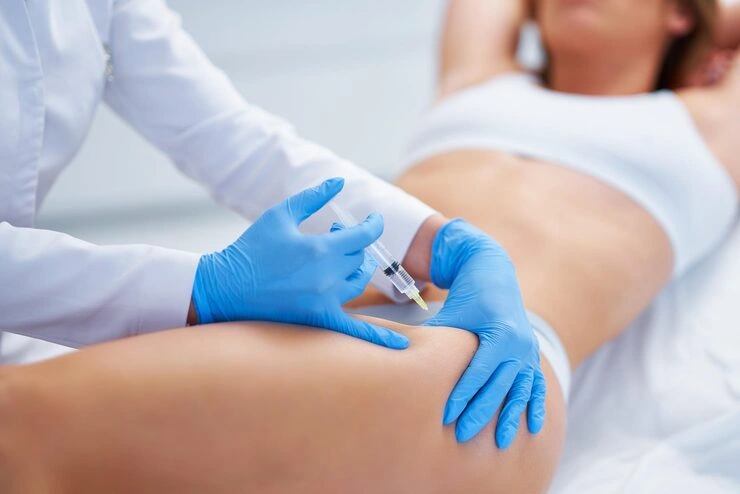
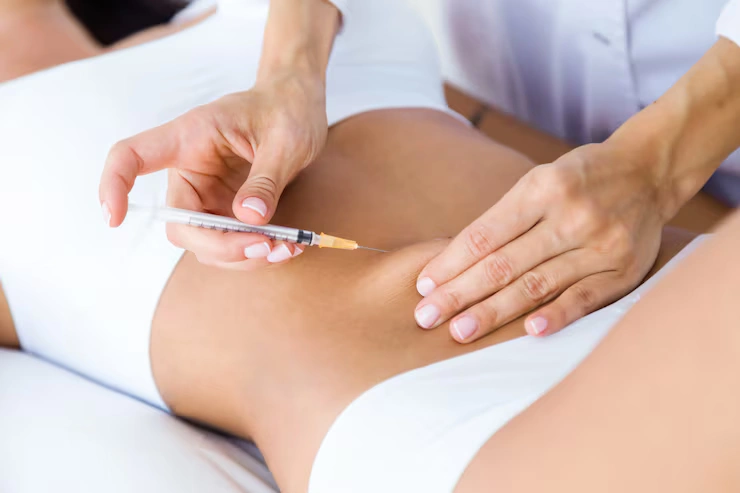
TMJ Syndrome can involve jaw pain, clicking, headaches, facial tension, and flare-ups with chewing or stress. If TMJ symptoms are part of your presentation, evaluation should include jaw function, posture, neck tension patterns, and contributing habits such as clenching. Treatment planning is individualized and may include supportive therapies and habit strategies rather than focusing on a single area alone.
Prolotherapy and Prolozone are terms patients may hear when exploring regenerative and injection-based options. The appropriate approach depends on the tissue involved, the chronicity of symptoms, and clinical fit. A responsible plan clarifies what is being proposed, why it may help, what the evidence and expectations look like, and what rehabilitation support is required to translate treatment into functional improvement.
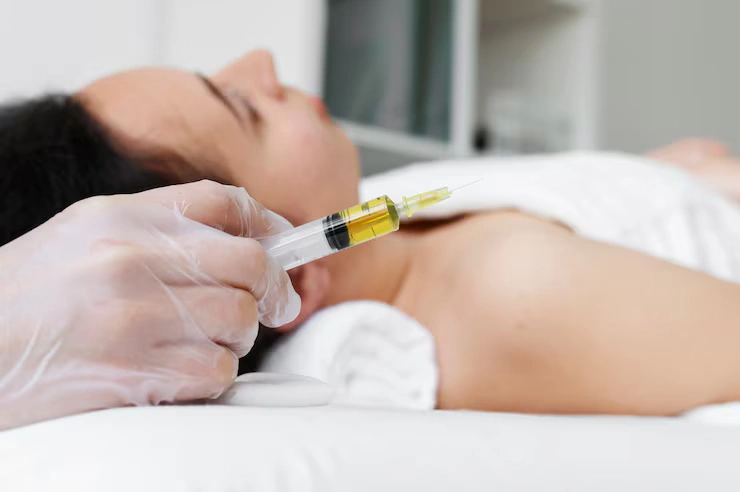
If you want joint-focused care that is structured, measured, and designed around function, start with a clear evaluation and a realistic plan for follow-up. The most reliable results come when treatment is paired with load management, rehabilitation guidance, and simple checkpoints that show whether you are improving. Wild Wellness supports patients with a structured prolotherapy approach and practical recommendations that fit real schedules and real activity demands. Some patients also coordinate care with Bioidentical Hormone Replacement Therapy in Oro Valley, AZ when recovery, inflammation patterns, and overall resilience are part of the broader clinical picture.
The number of sessions depends on the area treated, how long symptoms have been present, and how your tissue responds to load. Many plans involve a short series with reassessment, using functional checkpoints to decide whether to continue, adjust, or pause.
Aftercare usually includes short-term activity modification and a guided return to movement. Your clinician may recommend avoiding high-load activity for a brief period, then progressing strength and stability work so the area rebuilds tolerance without repeated flare-ups.
Not always. A focused evaluation is important to confirm the pain source, rule out conditions that need different care, and determine whether the pattern fits ligament or tendon tolerance issues. Medical history and medications also matter for eligibility and safety.