
When pain keeps returning with the same movements, the problem is often tissue irritation and reduced tolerance, not simply “overdoing it.” PRP Injection Therapy is used for patients who want a structured, evidence-informed option to support joint or soft-tissue recovery, especially when symptoms persist, activity becomes limited, and conservative care has plateaued. PRP, which stands for platelet-rich plasma, is prepared from your own blood and then used in a targeted way based on clinical evaluation. The process begins with a focused intake to understand your symptoms, injury history, prior treatments, and functional goals, followed by screening for safety and candidacy. From there, care is planned in phases with clear aftercare and follow-up checkpoints so progress is measured through function, such as walking tolerance, lifting comfort, and fewer flare-ups with normal activity. Many patients also coordinate care with a Naturopathic Practitioner in Oro Valley, AZ because they want recovery-focused treatment paired with lifestyle support that improves healing capacity and reduces repeated setbacks.
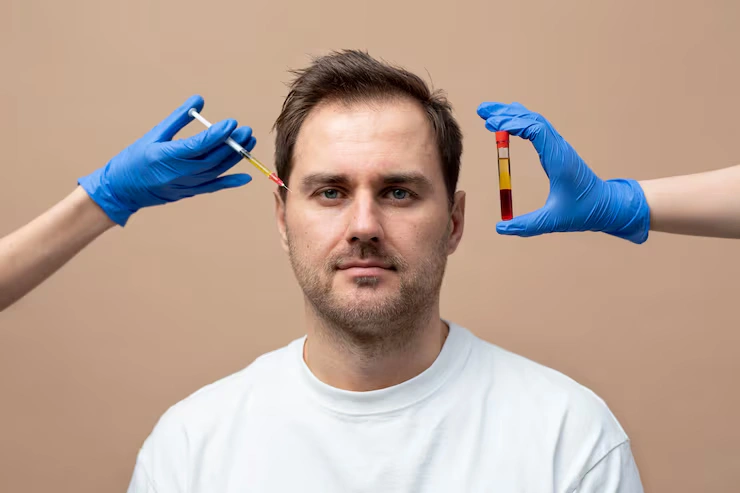
PRP Injection Therapy in Oro Valley, AZ is commonly considered for tendon and joint discomfort that continues despite rest, stretching, or basic rehabilitation. Patients often explore PRP when pain is limiting activity and they want a treatment option that supports tissue recovery while keeping a practical plan for movement and daily function. PRP is typically discussed when the symptom pattern is consistent, the trigger movements are clear, and the expected improvement is gradual and measurable rather than immediate.
When you visit us for PRP planning, our clinicians aim to pinpoint what is generating your symptoms and what is limiting your day-to-day function. We review when the issue began, how it has changed over time, and which movements reliably reproduce it, then look at how the area performs under normal load such as walking, stairs, lifting, or training. We also consider what you have already tried and how your body responded, including prior therapy or imaging if available, so we do not repeat ineffective steps. Before recommending treatment, we complete eligibility screening by reviewing your medical history and current medications. This is also where we set realistic expectations for pacing, likely number of sessions, and the functional markers we will use to judge progress.
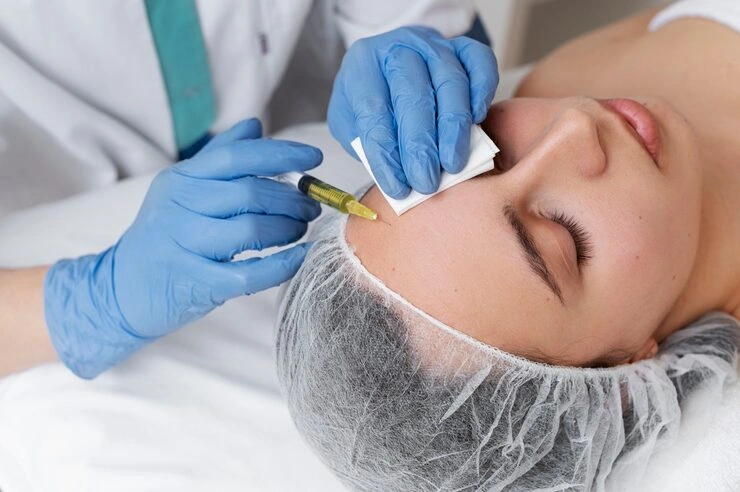
PRP for Chronic Pain is often discussed when a patient has ongoing symptoms that repeatedly return with movement and have not improved with standard conservative approaches. The clinical focus is to support tissue recovery in a targeted way, then pair it with rehabilitation and load management so improvements translate into daily function. PRP is not a substitute for movement strategy. It works best as part of a structured plan.
Arthritis can involve stiffness, flare-ups with activity, and pain patterns that affect walking tolerance, stairs, and daily movement. PRP may be discussed as one option for supporting joint comfort and function depending on the joint involved, symptom severity, and clinical fit. A responsible plan includes realistic expectations and a strategy to improve mechanics, strength balance, and recovery habits that influence symptoms over time.
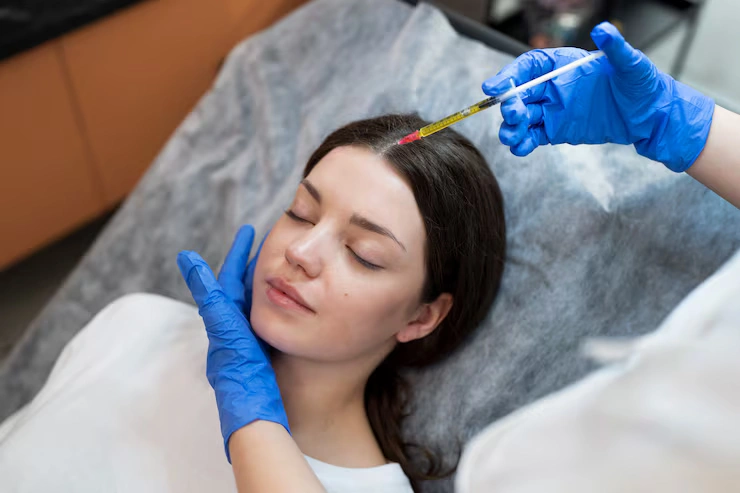
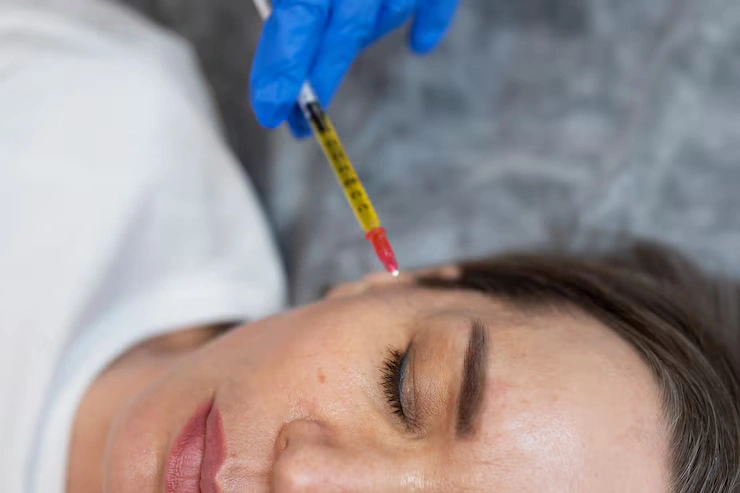
Recovery depends on tissue support and systemic inputs. Patients who stabilize sleep, protein intake, hydration, and training load often see more reliable progress because the body has the resources to repair and adapt. Some patients also coordinate care with a Functional Medicine Doctor in Oro Valley, AZ to address inflammation drivers, metabolic factors, and recovery barriers that can influence joint and tendon symptoms.
A strong PRP plan is targeted, measured, and paired with the right recovery strategy between visits. If you want recovery-focused care that prioritizes clear screening, realistic expectations, and functional milestones, start with an evaluation that clarifies what is driving your symptoms. The strongest results come from appropriate candidate selection, precise targeting, and a phased plan that includes aftercare and rehabilitation support. Wild Wellness provides PRP planning with structured follow-up and guidance designed around safety and function.
Many patients notice gradual change over weeks rather than immediate relief. Early improvements may show up as fewer flare-ups and better movement tolerance, while larger functional gains often take longer and depend on rehabilitation and load management.
The number of sessions depends on the area treated, the chronicity of symptoms, and how your body responds. Some cases involve a single treatment with follow-up, while others may require a short series with reassessment based on functional progress.
No. PRP is prepared from your own blood and is used to support tissue recovery rather than suppress inflammation temporarily. Your clinician can explain whether PRP is appropriate for your condition and how it compares to other options.